
https://drive.google.com/file/d/1cUSxzvX6rCcaZ0a5UZLTyqswRN6U20mR/view
Author: Warren Berkley
I'm a gospel preacher working in McAllen, Tx.
Thin Beliefs

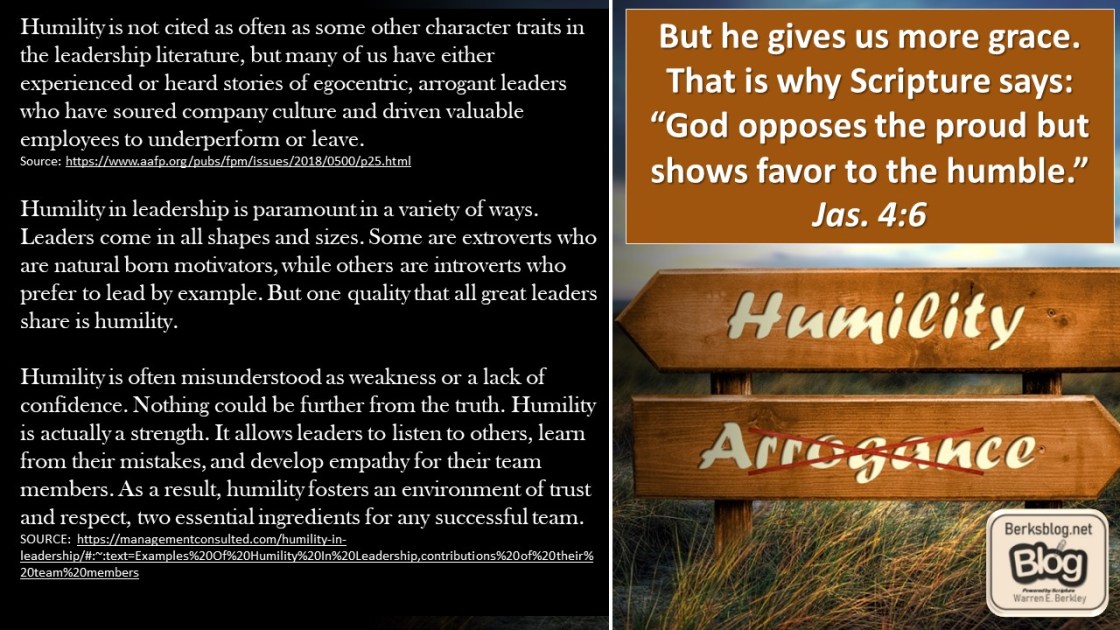
Humility
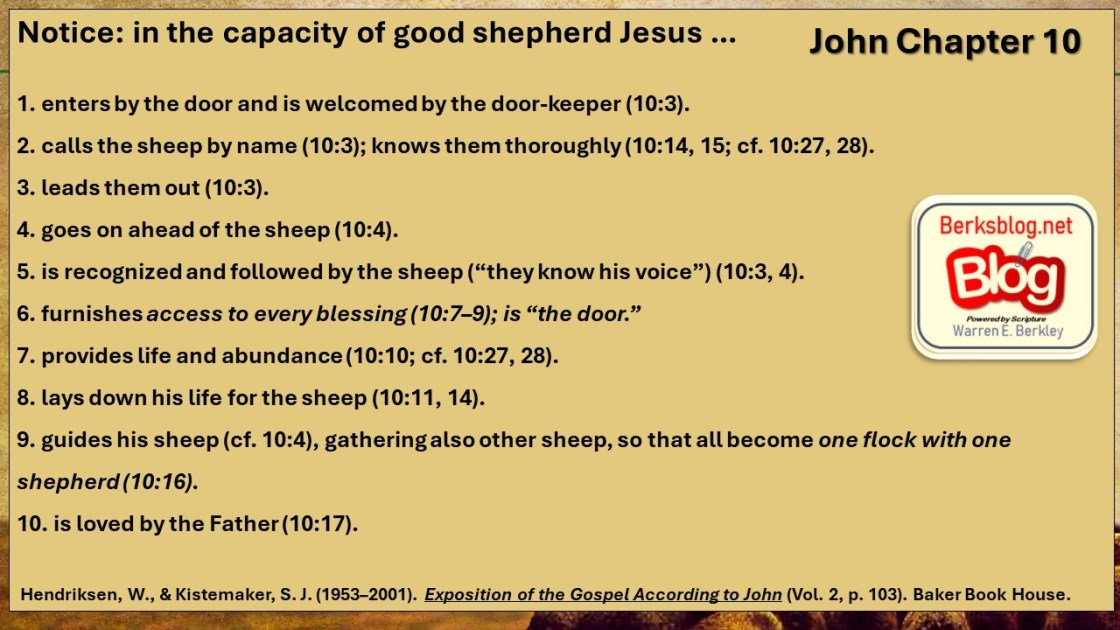
The Good Shepherd
Sermon – As For Me and My House [My first attempt at posting a video file. Feel free to comment on audio quality, any glitches or other observations]. This was when I was working with the Laurel Heights church in McAllen.
Quiet Please
The Value Of Quiet Benevolence
Matt. 6:1-4
Warren E. Berkley
An irritable brother who always kept some grievance or issue loaded, called a meeting with the preacher and four elders of the local church he belong to.
He leaped right into his complaint, arguing that all five brethren made a good living, drove late model cars and lived in nice homes, yet, he argued: “You don’t ever share your good fortune.” His audience listened patiently and then after the outburst, one of the elders said: “How do you know we do not share?” There was no answer. Apparently the agitated brother assumed they didn’t, or wanted to believe they were miserly. The elder calmly explained, putting an end to the event: “God does not expect us to prove to you or to anyone the extent of our benevolence. In fact, the larger amount of one’s benevolence will not be known. In support of this, he read Matt. 6:1-4, and the meeting ended.”
The story illustrates, among other things, a common misunderstanding of individual benevolence. The purpose is not to satisfy witnesses, elicit the applause of men, or prove anything to distracters. One’s sharing ought to be so private and unpublicized, when the right hand gives, the left hand has no idea. It should be as Harriet Beecher Stowe once wrote of someone she believed had the spirit of Jesus. She said of this person, that “He had a habit of quiet benevolence,” doing more good silently than was common of most people in their public charity. {Life and Letters of Harriet Beecher Stowe, 1897}
I read of a mystery unfolding in the world of college fundraising. “During the past few weeks, at least nine universities have received gifts totaling more than $45 million, and the schools had to promise not to try to find out the giver’s identity,” (AP, Apr. 16, 2009). I have no idea how this story will develop over the coming days. It may turn out that some individual or group of individuals are engaged in quiet benevolence, determined to avoid the typical praise of public, ostentatious giving. I hope so. Nevertheless . . .
I don’t know so much about “random acts of kindness,” but I’m entirely convinced of the value of quiet benevolence. Are you a quiet giver? There is rich spiritual value in this kind of giving. Value for you and the recipient, and “with such sacrifices, God is well pleased,” (Heb. 13:16).
Listen to Jesus again: “Take heed that you do not do your charitable deeds before men, to be seen by them. Otherwise you have no reward from your Father in heaven. Therefore, when you do a charitable deed, do not sound a trumpet before you as the hypocrites do in the synagogues and in the streets, that they may have glory from men. Assuredly, I say to you, they have their reward. But when you do a charitable deed, do not let your left hand know what your right hand is doing, that your charitable deed may be in secret; and your Father who sees what is done in secret will reward you,” (Matt. 6:4).
who sees what is done in secret will reward you.”
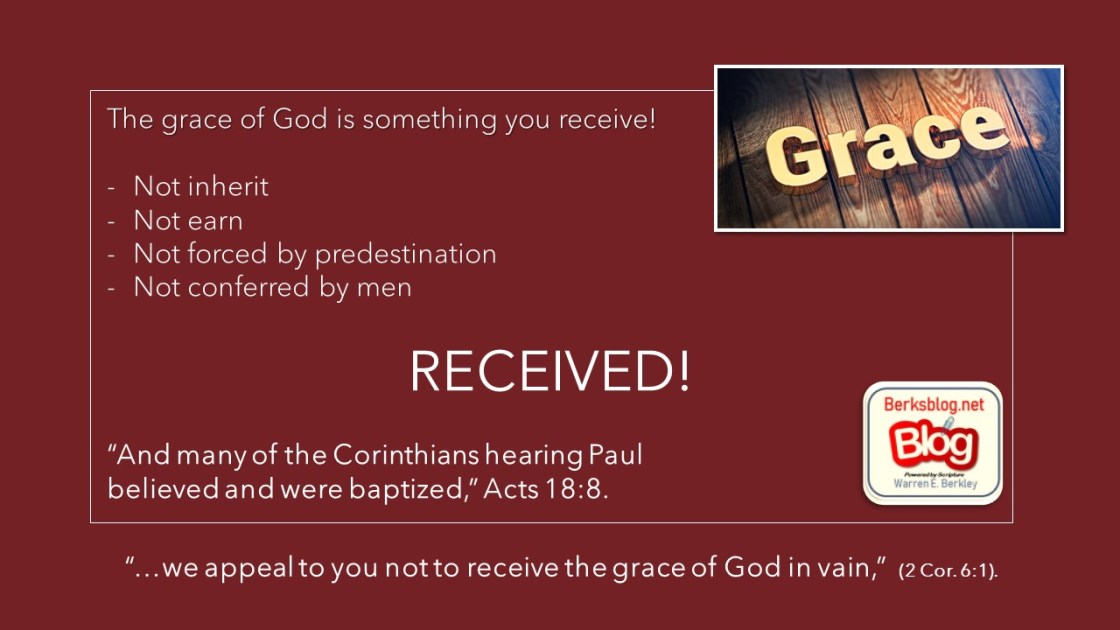
Grace Received
This Little Light

Rejoice in Present Knowledge

What Time Is It?
What Time Is It?
by Chuck Durham
Tell me not, in mournful numbers,
Life is but an empty dream!
For the soul is dead that slumbers,
And things are not what they seem.
Life is real! Life is earnest!
And the grave is not its goal;
Dust thou are, to dust thou returnest,
Was not spoken of the soul.
Lives of great men all remind us
We can make our lives sublime,
And, departing, leave behind us
Footprints on the sands of time;
—Henry Wadsworth Longfellow
Time—how inestimable its value! Mark Twain wrote, “Each person is born to one possession which overvalues all his others—his last breath.” Time’s value is not its quantity, but its quality. It will not matter how much time we had, but what we did with the time we had. Legion are the number who have lived long and fruitless lives without God. What value is length of days if one enters eternity a spiritual pauper? As Dee Bowman has powerfully preached, “If we miss heaven, we just missed all there is.”
Time must be used with great care. To avoid the point where “there is no remedy” (2 Chronicles 36:16), it is vital that we take preventative medicine before the disease of time’s misuse consumes us. Paul wrote, “See then that you walk circumspectly, not as fools but as wise, redeeming the time …” (Ephesians 5:15–16). Paul cries out to us to “open our eyes.” As Longfellow said, “… the soul is dead that slumbers.” There isn’t time to sleep our lives away spending idle hours in vain pursuits. “Life is real! Life is earnest!” The ASV footnote translates verse 16, “buying up the opportunity.” There are only so many opportunities to do good, and then time is no more for us.
We need to orchestrate the time we possess. Paul wrote, “… knowing the time, that now it is high time to awake out of sleep …” (Romans 13:11a). “Knowing the time” means God heads the list. He plainly says, “Seek first the kingdom of God …” (Matthew 6:33). But how do we know if we’re seeking the kingdom first?
In King Hezekiah lies the answer. Gravely ill, God dispatched Isaiah to tell him he would die. With tearstained face he prayed and God was moved with compassion. Ere Isaiah left the court, God told him to tell Hezekiah, “I will add to your days fifteen years” (2 Kings 20:6). Imagine if we had God’s promise that no matter how we prioritized our time, God would not take the fifteen years away from us? How would we live?
Would we spend fourteen years seeking gold and silver and save the last year to “get religion”? we need to swallow Gehazi’s bitter pill. He wanted the trinkets Namaan offered for being healed. Remember—these were the acrid days of Ahab and Jezebel, the ancient spiritual equivalents of the Third Reich. In such a day Gehazi turned his heart to making money! Elisha blistered him (and us) with his words, “Is it time to receive money and to receive clothing, olive groves and vineyards, sheep and oxen, male and female servants?” (2 Kings 5:26). If worthlessness is what he sought, then leprosy was his pot of gold!
Fifteen more years. How would we live? For pleasure and selfish interests? After Judah’s destruction and seventy years of captivity, a small remnant returned to rebuild the land. But the euphoria over a restored Jerusalem and the newly laid Temple foundation were quickly lost by folks who forgot what time it was. God sent Haggai with these words, “Is it time for you yourselves to dwell in your paneled houses, and this temple to lie in ruins?” (1:4). What utter selfishness! God’s house with weeds growing through the cracks, but they had just finished remodeling their houses in cedar! Before we condemn too freely it would behoove us to ask ourselves, “What did we do to help build His spiritual house today?”
Fifteen more years. Only Hezekiah received that promise. We don’t know how much time is left for us. With alacrity, we need to heed the words of Peter that, “… no longer should [we] live the rest of [our] time in the flesh for the lusts of men, but for the will of God (1 Peter 4:2). With an earnest zeal akin to alarm, we should face each day as if it were our last. Not only great men, but all men, leave “footprints in the sands of time.” Do they blend without distinction on the wide road of destruction, or glisten like gold on a difficult and narrow path on the way to heaven?
Durham, C. (1995). What Time Is It? Christianity Magazine, 12(8), 25.

