Every tool humanity builds eventually becomes a mirror, reflecting back what is already within us.
The rise of artificial intelligence is not just about technology—it is about the heart. Every tool humanity builds eventually becomes a mirror, reflecting back what is already within us. And if we are honest, what lies within us is often the same vessel that carried Satan into rebellion: pride.
Scripture describes the adversary’s fall with piercing clarity: “You said in your heart, ‘I will ascend to heaven; above the stars of God I will set my throne on high… I will make myself like the Most High’” (Isaiah 14:13–14). Pride was not a passing impulse—it was the cup in his hand, the container of his rebellion. He filled himself with it, and it carried him into opposition against the living God.
The serpent held out that same vessel in Eden. “You will not surely die… you will be like God” (Genesis 3:4–5). Humanity drank deeply, believing the lie that we could dethrone the Creator and enthrone ourselves. Pride was not merely the cause of sin; it was the chalice from which sin was poured into action.
The pattern has not changed. Pride remains the vessel through which Satan smuggles rebellion into human life. James warns us, “God opposes the proud but gives grace to the humble” (James 4:6). Pride does not simply estrange us from God; it positions us as His enemy. In every age, Satan weaponizes it to blind us to correction, to dull our ears to truth, and to make us love our own reflection more than God’s glory.
This is why the age of AI carries such urgency. For all its potential, artificial intelligence will not invent new sins—it will magnify old ones. It will accelerate pride by giving us limitless ways to polish our image, to curate flawless identities, to simulate lives that appear sovereign and complete. “Pride goes before destruction, and a haughty spirit before a fall” (Proverbs 16:18).
It will amplify dependence, teaching us to surrender discernment to algorithms that soothe rather than correct. Paul’s warning becomes chillingly relevant: “For the time is coming when people will not endure sound teaching, but having itching ears they will accumulate for themselves teachers to suit their own passions” (2 Timothy 4:3). An algorithm tuned to our desires is a teacher of myths, dressed in the clothing of wisdom.
And it will tempt us to displace God’s design, as if the image of God is outdated in a world where machines can mimic thought and creativity. Yet Psalm 115 warns: “The idols of the nations are silver and gold, the work of human hands. They have mouths, but do not speak… Those who make them become like them, so do all who trust in them” (Psalm 115:4–8). We become like the tools we worship—hollow, lifeless, and blind.
The real threat of AI is not that it will think like us, but that we will begin to think like it—optimized, efficient, and soulless.
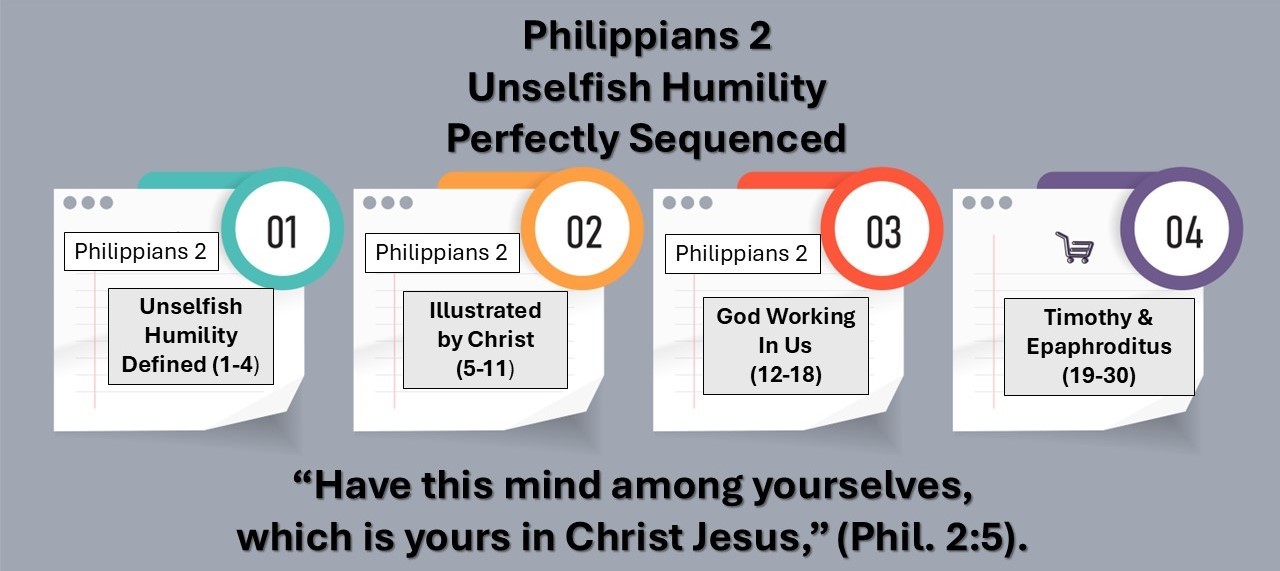
But there is another vessel. Philippians 2 speaks of Christ Jesus, “who, though he was in the form of God, did not count equality with God a thing to be grasped, but emptied himself, by taking the form of a servant… he humbled himself by becoming obedient to the point of death, even death on a cross” (Philippians 2:6–8). Where Satan filled himself with pride, Christ poured Himself out in humility. Where Adam grasped for divinity, Christ relinquished His rights to save.
At the table on the night He was betrayed, Jesus took a cup and declared, “This cup that is poured out for you is the new covenant in my blood” (Luke 22:20). Here is the vessel that heals. The chalice of pride brings death; the cup of Christ brings life. The question is never whether technology will advance—it always will. The real question is which vessel we will carry as it advances.
The church must prepare, not first with technical expertise, but with spiritual formation. The Word of God must remain our lamp: “Your word is a lamp to my feet and a light to my path” (Psalm 119:105). Humility must be our daily posture: “What does the LORD require of you but to do justice, and to love kindness, and to walk humbly with your God?” (Micah 6:8). Discernment must be sharpened until it can pierce through even the most convincing simulation: “But solid food is for the mature, for those who have their powers of discernment trained by constant practice to distinguish good from evil” (Hebrews 5:14). And above all, our identity must remain hidden, unshaken: “Your life is hidden with Christ in God” (Colossians 3:3).
In a world of synthetic shadows, the authenticity of Christ’s humility shining through His people will become a prophetic contrast. “You are the light of the world. A city set on a hill cannot be hidden” (Matthew 5:14). While the culture chases simulated wisdom, the church must embody the true wisdom from above—pure, peaceable, gentle, full of mercy and good fruits (James 3:17).
Two vessels remain before us. The vessel of Satan, filled with pride, promising ascent but ending in ruin. And the vessel of Christ, poured out in humility, filled with grace, leading to life.
Which cup will you carry?
HEB